
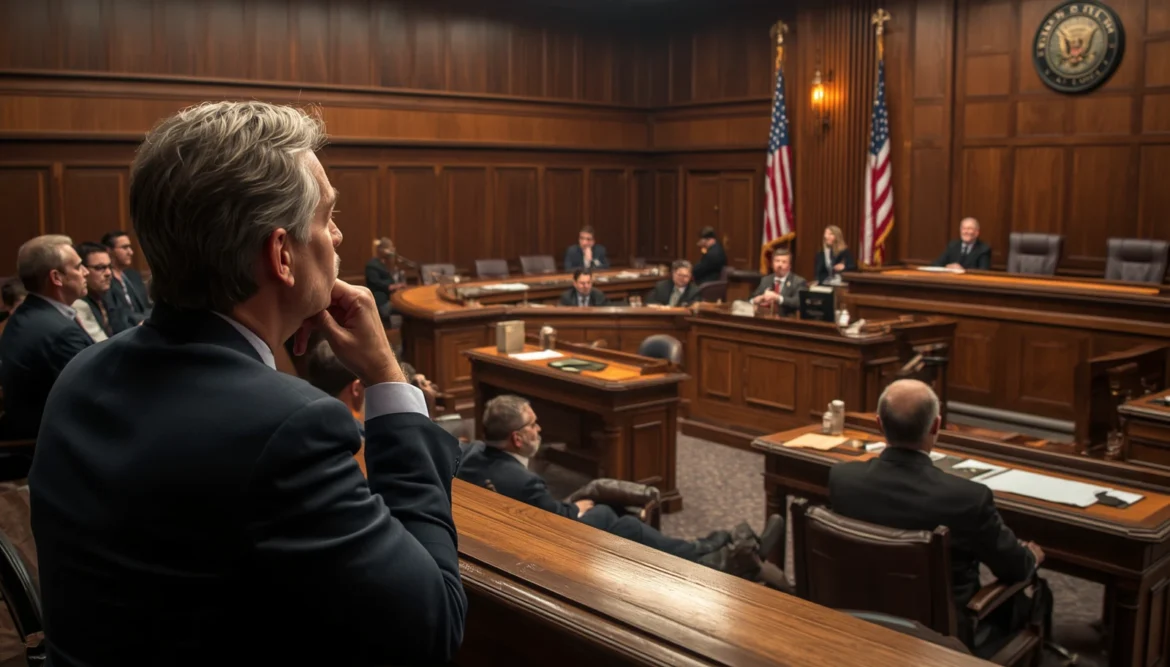
The courthouse felt alive before the first hearing even started. Reporters clustered near the doors, whispers moved through the hallway, and every small pause seemed to carry more tension than the last. It was the kind of case that makes people stop scrolling and start paying attention.
The story behind the Shocking Criminal Trial was not only about drama in the courtroom. It was about evidence, public doubt, legal pressure, and the question readers quietly ask when they search for a Shocking Criminal Trial Today, what really happened, and why did it matter so much?
Inside The Shocking Criminal Trial
The first real hook was not a headline. It was the atmosphere. The room felt focused, almost fragile, as though one statement could tilt the entire narrative in a new direction. That is why people keep reading these cases, they want clarity, not noise, and they want the hidden logic behind the spectacle.
One of the strongest phrases in legal history still fits moments like this. Chief Justice John Marshall once said, “A Law repugnant to the Constitution is void.” It is a sharp reminder that courtroom conflict is never just emotional, it is also about whether the law itself holds firm.
Why I Followed The Case
I followed the case because it answered the deeper search intent behind legal stories. Readers are not only looking for what happened. They want to understand the human tension, the courtroom strategy, and the public consequences. That is where courtroom testimony, trial evidence, and criminal defense become essential phrases, not filler.
There was also a broader lesson hiding inside the noise, a serious case can become a mirror for how people think about fairness, power, and accountability. That is what made the story feel so magnetic from the start.
First Day In Court
The first day in court brought everything into sharper focus. Lawyers spoke carefully, the judge kept the room controlled, and each argument was measured like a chess move. The prosecution leaned on sequence and documentation, while the defense pushed back with doubt and interpretation.
Deputy Attorney General Rod J. Rosenstein captured the purpose of that kind of process when he said, “law is so essential to the peaceful resolution of disputes.” In a case like this, that idea is not abstract. It is the center of the room.
Public Reaction Worldwide
Public reaction spread fast, and that speed changed the temperature of the case. Social platforms filled with opinions, news outlets repeated the strongest sound bites, and people formed theories before the full record had even settled. That is why articles about legal cases must stay grounded in facts and not just momentum.
Key Evidence And Courtroom Moments
The middle of the trial is where attention either deepens or collapses. This was the section that made readers lean in, because the details stopped feeling theatrical and started feeling consequential. That is where the real story lived.
Critical Witness Testimony
Witness testimony became one of the most important turning points. Every answer seemed to carry weight, and every pause invited new interpretation. The courtroom was no longer just a stage, it was an arena where memory, pressure, and precision collided.
This is why critical witness testimony matters so much in criminal reporting. It can confirm a timeline, weaken a claim, or open a new question entirely. Readers searching for detail want more than a summary. They want to know why one statement matters more than another.
Powerful Defense Arguments
The defense strategy was built on structure, not theatrics. It focused on inconsistencies, context, and the possibility that the evidence did not tell a complete story. That approach often changes the way readers see a case, because it shifts the discussion from accusation to analysis.
Verdict That Shocked Everyone
When the verdict arrived, the reaction was immediate. Some people thought it confirmed everything, others believed it raised even more questions. That uncertainty is exactly what makes these stories linger long after the courtroom empties.
Lessons From The Criminal Trial
The most useful stories are the ones that leave readers with more than emotion. They leave a framework for thinking. That is what this part of the case offered, a way to understand how the system works when pressure is high and every detail matters.
The strongest long-tail phrases here are the ones people actually search for, like what happens during a criminal trial, how criminal evidence is evaluated, and why legal rights matter in court. Those terms fit naturally because they answer real questions.
Impact On Criminal Justice
This trial showed how much a single case can influence public trust. When people watch a courtroom closely, they begin to notice the balance between procedure, judgment, and accountability. That balance is the backbone of a credible justice system.
Legal Rights Every Citizen Knows
Every citizen should understand the basics, the right to counsel, the presumption of innocence, and the importance of evidence being tested in open court. These are not technical details reserved for lawyers. They are everyday protections that shape the entire legal experience.
Why This Case Still Matters
This case still matters because it shows how a trial can become more than a legal event. It becomes a public lesson in evidence, restraint, and interpretation. People remember the emotional force of the moment, but the real value lies in the structure underneath it.
That is the reason Shocking Criminal Trial stories continue to draw attention. They make readers think harder about certainty, fairness, and the gap between what people assume and what the record actually shows.
Conclusion & FAQ
After following this criminal trial, I realized that the real story was not just the verdict but how the evidence, witness testimony, and legal arguments were carefully examined. For me, this case reinforced the importance of relying on verified facts, understanding due process, and respecting the presumption of innocence before reaching conclusions.